


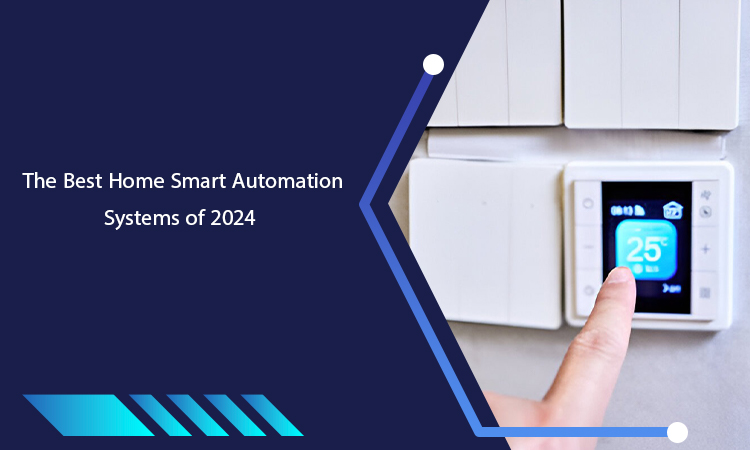
As we step into 2024, the realm of home automation has witnessed remarkable advancements, transforming the way we live and interact with our homes.
If you wonder what is home smart automation you can check the link below to get more detail :
https://sepehrsmarttech.com/smart-home-automation
From enhancing convenience and security to optimizing energy efficiency, smart home systems have become indispensable in modern living. This article delves into the best home smart automation systems of 2024, providing insights into their features, benefits, and what sets them apart in a competitive market.
SmartThings System
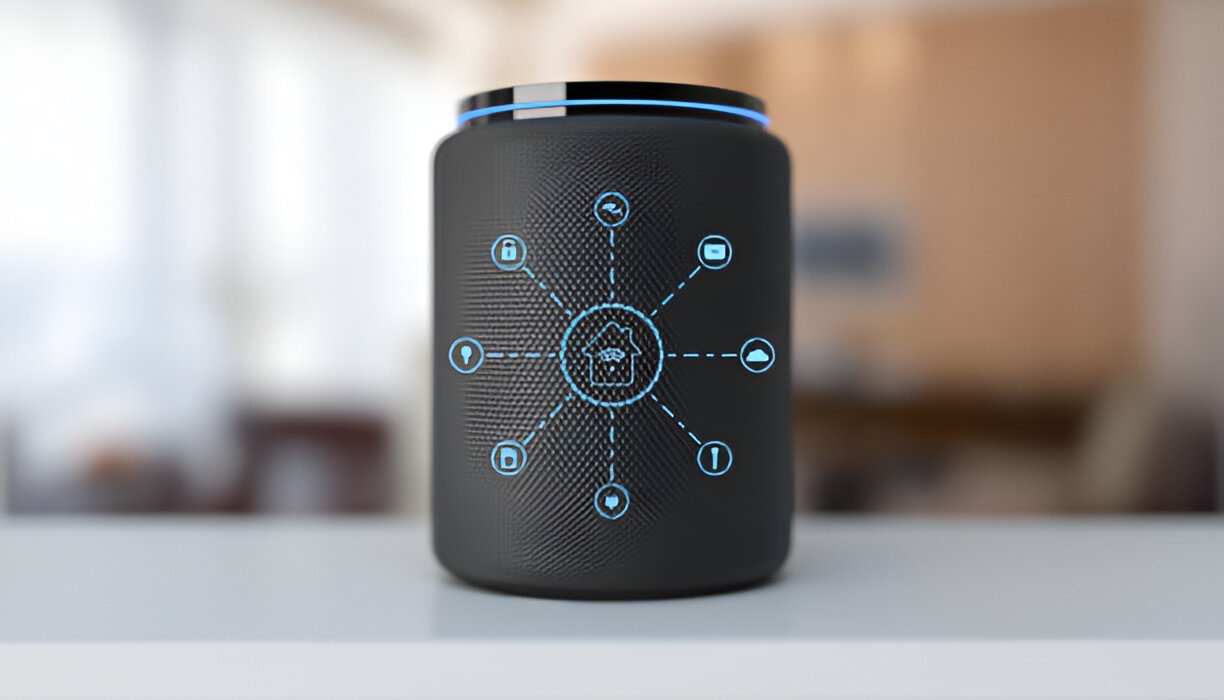
The Samsung SmartThings system is renowned for its flexibility and extensive compatibility, making it a standout choice in the smart home automation market. One of the primary advantages of SmartThings is its ability to integrate with a wide range of devices, supporting multiple protocols such as Zigbee, Z-Wave, and Wi-Fi.
This broad compatibility allows users to connect and control devices from various manufacturers through a single hub, offering a cohesive smart home experience. Additionally, SmartThings provides robust automation capabilities, enabling users to create custom scenes and routines based on specific triggers, which enhances convenience and personalizes the smart home environment.
SmartThings features: Voice controls with smart home assistants
The Samsung SmartThings system stands out for its impressive array of features that enhance both functionality and user experience.
One of its key strengths is its seamless integration with popular smart home assistants like Amazon Alexa and Google Assistant, allowing users to control their devices through simple voice commands.
This voice control capability adds a layer of convenience and hands-free operation, making it easier to manage a smart home. Additionally, SmartThings is designed with user-friendliness in mind, featuring an intuitive app that simplifies setup and daily management of connected devices.
With compatibility extending to over 5,000 smart devices, SmartThings offers an extensive range of options for users to build a comprehensive and tailored smart home ecosystem, ensuring that it can accommodate a wide variety of devices and preferences.
pros
Despite these challenges, Samsung SmartThings remains a powerful and versatile solution for those seeking a comprehensive smart home system. Its ability to unify diverse smart devices under one platform and offer flexible automation options makes it a valuable tool for creating a customized smart home experience.
Users who are comfortable with a more hands-on approach to setup and integration will find SmartThings to be a highly effective and adaptable choice, capable of meeting a wide range of smart home needs.
cons
However, the SmartThings system is not without its drawbacks. One significant downside is that it requires a separate hub for full functionality, which can be an added expense and may complicate the setup process for some users.
Additionally, while SmartThings boasts extensive device compatibility, it can occasionally encounter compatibility issues with certain products, especially those from lesser-known brands. This can lead to potential frustrations during setup and integration.
The user interface, while functional, may also present a learning curve for beginners, as it involves navigating various settings and configurations to achieve the desired automation.
Home Assistant System
The Home Assistant system is a powerful open-source platform for home automation that caters to both tech enthusiasts and those seeking deep customization in their smart home setup.
Unlike many proprietary systems, Home Assistant is highly flexible and can be tailored to meet a wide array of needs and preferences. It supports integration with a vast range of devices and services through its extensive library of integrations and custom components.
This flexibility allows users to create complex automations and control systems tailored specifically to their requirements, offering a level of customization that many off-the-shelf solutions cannot match.
pros
One of the standout features of Home Assistant is its commitment to privacy and local control. Unlike many cloud-based smart home platforms, Home Assistant operates primarily on a local network, ensuring that user data is not transmitted to external servers.
This local control not only enhances security and privacy but also ensures that automations and controls remain operational even if internet connectivity is lost.
The system's open-source nature also means that it benefits from a vibrant community of developers and enthusiasts who continuously contribute to its improvement and expansion.
cons
However, Home Assistant's powerful capabilities come with a learning curve and some trade-offs. The system requires a certain level of technical knowledge to set up and configure, which can be daunting for beginners.
The user interface, while functional, may not be as polished or intuitive as those of commercial smart home systems, and creating custom automations can involve writing code or configuring YAML files.
Additionally, while Home Assistant supports a broad range of devices, the process of integrating new hardware can sometimes be complex and may require troubleshooting.
Despite these challenges, Home Assistant remains a top choice for those who value control, customization, and privacy in their smart home setup.
notes: If you are looking for ways to enhance the security of your home or your office , be sure that you read 5 ways to enhance your home security article.
Apple HomeKit
Apple HomeKit is a smart home platform designed to seamlessly integrate with Apple’s ecosystem, offering users a unified way to control their smart devices through iPhones, iPads, Apple Watches, and Siri.
HomeKit is known for its emphasis on privacy, security, and ease of use, making it a popular choice for Apple enthusiasts. The platform allows users to manage a wide range of smart devices, from lighting and thermostats to security cameras and door locks, all from the Apple Home app. With Siri integration, HomeKit enables voice control, allowing users to issue commands and automate their home effortlessly.
pros
One of the significant advantages of Apple HomeKit is its strong focus on privacy and security. Apple’s stringent encryption standards ensure that data shared between HomeKit devices is secure, which is a crucial concern for many smart home users.
Additionally, HomeKit offers a user-friendly experience, with a clean and intuitive interface that simplifies the process of setting up and managing smart devices. The platform’s deep integration with Apple products means that it works seamlessly across all Apple devices, providing a consistent and reliable user experience.
The ability to create complex automations and scenes within the HomeKit app also adds to its appeal, allowing users to customize their smart home environment with ease.
cons
However, Apple HomeKit does have some limitations. One of the main drawbacks is its relatively limited compatibility with non-Apple devices. While HomeKit supports a growing number of smart devices, it still lags behind other platforms like Google Assistant and Amazon Alexa in terms of the breadth of compatible products.
Additionally, HomeKit’s focus on the Apple ecosystem means that it may not be the best choice for users who do not own multiple Apple devices or who prefer cross-platform compatibility. Finally, the cost of HomeKit-compatible devices tends to be higher, which can be a barrier for those looking to build a smart home on a budget.
Despite these challenges, for users deeply embedded in the Apple ecosystem, HomeKit offers a secure, reliable, and user-friendly solution for home automation.
Amazon Alexa System
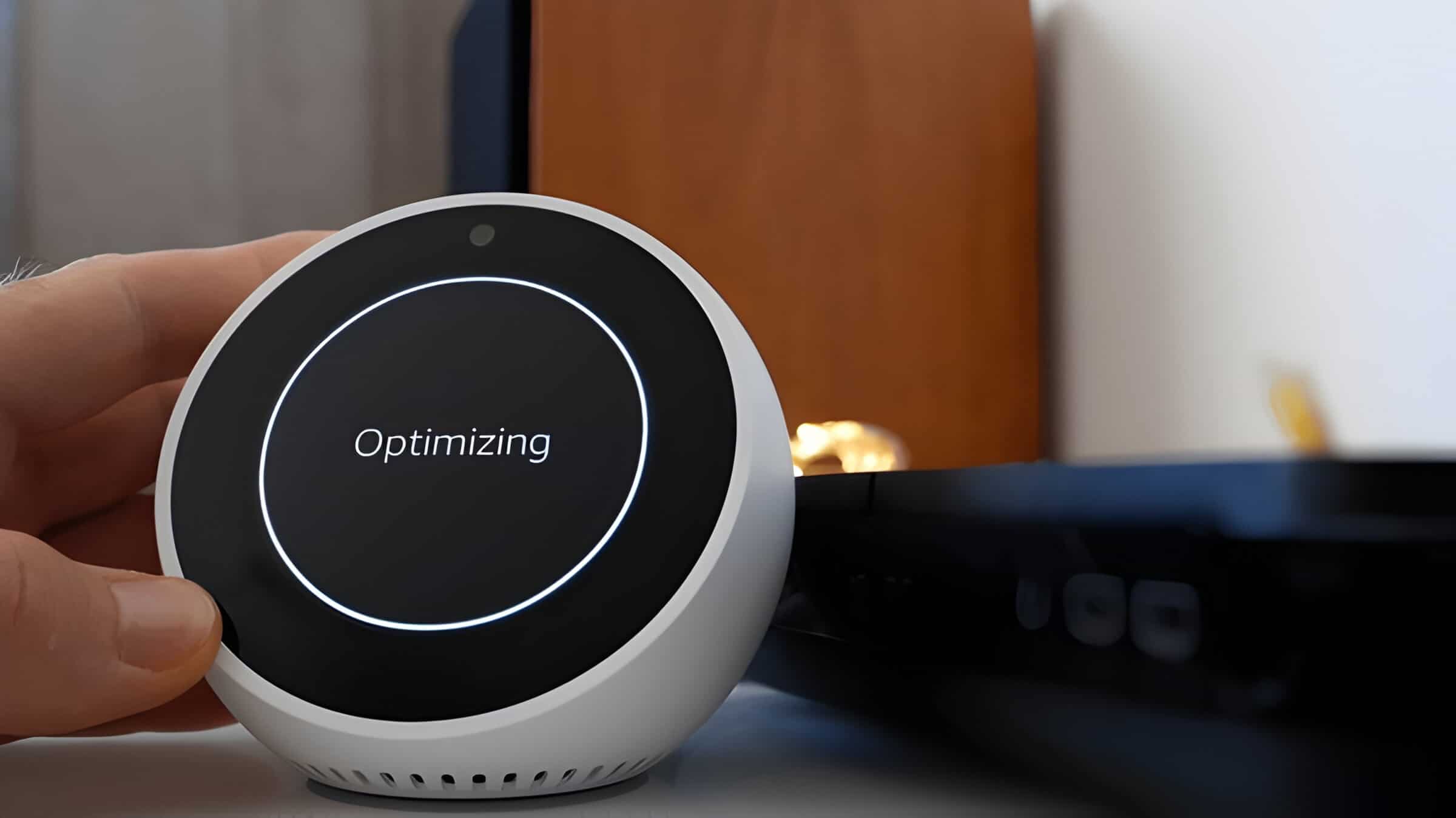
Amazon Alexa is one of the most popular and widely used voice-controlled smart home systems in the world. Powered by the cloud-based voice assistant Alexa, this system allows users to control a wide range of smart devices through simple voice commands.
From smart speakers like the Echo Dot to smart displays like the Echo Show, Amazon has built an extensive ecosystem around Alexa, making it a central hub for managing smart home devices, playing music, setting reminders, and even answering questions.
Alexa’s versatility and integration with thousands of third-party devices and services have made it a go-to solution for those looking to create a connected, voice-activated smart home.
pros
One of the major strengths of the Amazon Alexa system is its broad compatibility. Alexa supports over 100,000 smart home devices from various brands, ensuring that users have a wide selection of products to choose from when building their smart home.
This extensive compatibility also means that Alexa can be integrated with nearly every aspect of the home, from lights and thermostats to security systems and appliances. Another key advantage is the ease of use; setting up and controlling Alexa-compatible devices is generally straightforward, and the Alexa app provides a user-friendly interface for managing devices, creating routines, and adjusting settings.
Alexa’s ability to recognize multiple users and offer personalized responses also enhances the user experience, making it more intuitive and convenient for households with multiple members.
cons
However, the Amazon Alexa system does come with some drawbacks. One of the primary concerns is privacy, as Alexa devices are always listening for the wake word, which raises questions about data security and the potential for unintended recording.
Although Amazon has implemented measures to address these concerns, including options to review and delete voice recordings, privacy remains a significant consideration for many users. Additionally, while Alexa’s vast range of skills and integrations is a strength, it can also be overwhelming for some users, especially those new to smart home technology.
The sheer number of options and features can make it challenging to navigate and fully utilize the system. Moreover, while Alexa excels in voice control, the system’s reliance on cloud connectivity means that it may not function optimally in areas with poor internet connectivity.
Despite these cons, Amazon Alexa continues to be a leading choice for smart home enthusiasts, offering a powerful, versatile, and user-friendly platform for home automation.
Which one to choose ?
| Feature/Aspect | Apple HomeKit | Amazon Alexa | Home Assistant |
| Integration | – Seamless with Apple devices – HomeKit-only certified products | – Extensive with over 100,000 devices – Compatible with numerous third-party products | – Highly flexible – Integrates with a vast array of devices and services |
| Voice Assistant | – Siri | – Alexa | – Supports multiple assistants (Alexa, Google Assistant) |
| Ease of Use | – User-friendly, especially within the Apple ecosystem | – Easy setup and management – Intuitive Alexa app | – Requires technical knowledge – More complex setup |
| Customization | – Limited customization options – Focus on simplicity | – Good customization through Alexa Routines – Extensive library of “skills” | – Highly customizable – Deep control over automations and configurations |
| Privacy & Security | – Strong focus on privacy – Local processing where possible | – Cloud-based, raises privacy concerns – Options to manage data | – Strong emphasis on local control and privacy – Open-source, transparent |
| Compatibility | – Limited to HomeKit-certified devices – Strong Apple ecosystem integration | – Broad compatibility with a wide range of devices | – Extensive compatibility – Supports various protocols (Zigbee, Z-Wave, etc.) |
| Automation Capabilities | – Basic to moderate automation via Home app – Focus on simplicity | – Robust automation with Alexa Routines – Supports complex sequences | – Advanced automation – Can create very specific and detailed routines |
| Cost | – Higher costs for HomeKit-compatible devices – Premium pricing | – Affordable options available – Wide range of device prices | – Generally low-cost software – Hardware costs vary based on implementation |
| Pros | – Excellent security and privacy – Seamless integration with Apple devices | – Extensive compatibility – Easy to use and setup – Affordable devices | – Highly customizable – Strong local control – Huge community support |
| Cons | – Limited device compatibility – Higher cost for compatible devices – Apple-only focus | – Privacy concerns – Reliant on cloud connectivity – Can be overwhelming for beginners | – Steep learning curve – Requires technical knowledge – Potentially complex setup |
Conclusion about Best Home Smart Automation Systems of 2024
In 2024, the landscape of home automation systems is more advanced and user-friendly than ever, with SmartThings, Home Assistant, Apple HomeKit, and Amazon Alexa leading the charge.
Each system offers unique strengths tailored to different needs. SmartThings stands out for its robust compatibility with a wide range of devices and ease of use, making it ideal for users seeking a comprehensive and straightforward setup.
Home Assistant, on the other hand, is perfect for tech-savvy individuals who want deep customization and control over their smart home environment. Apple HomeKit appeals to those within the Apple ecosystem, offering seamless integration with iOS devices and a focus on privacy and security.
Finally, Amazon Alexa excels in voice control and smart home integration, providing a versatile and intuitive experience, particularly for users who prioritize convenience. Together, these systems represent the pinnacle of home automation technology, offering diverse options to cater to the varied needs of modern households.