


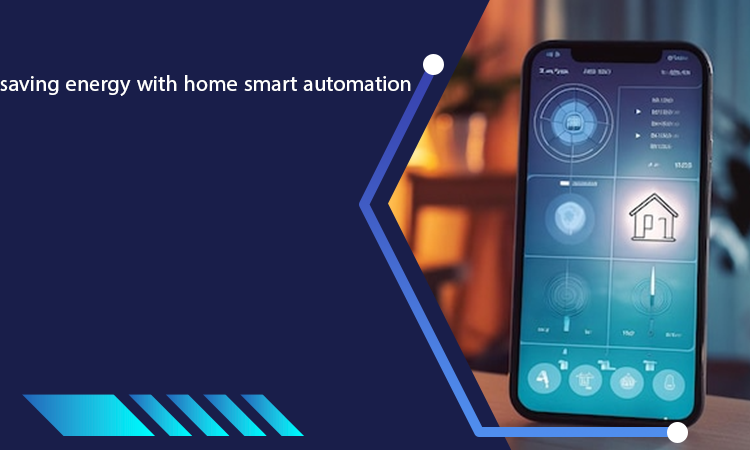
In today’s rapidly evolving technological landscape, smart home automation has emerged as a transformative solution for enhancing convenience and reducing energy consumption. By leveraging cutting-edge technology, smart home systems not only streamline household operations but also contribute significantly to energy savings. This article delves into how smart home automation can be harnessed to save energy, the benefits it offers, and practical tips for implementing these technologies effectively.
Decoding Smart Home Automation
Smart home automation involves the integration of advanced devices and systems within a household to centralize control over various functions like lighting, heating, cooling, and security. Utilizing Internet of Things (IoT) technology, these systems enable seamless communication and operation, aiming to boost both efficiency and comfort while simultaneously reducing energy consumption and associated expenses.
Core Elements of Smart Home Automation
- Intelligent Thermostats: These innovative devices adapt to user preferences and adjust heating and cooling schedules automatically. With remote control capabilities through smartphone apps, homeowners can fine-tune temperature settings even when they're away, ensuring energy is not wasted on an empty home.
- Advanced Lighting Solutions: Leveraging LED technology and programmable schedules, smart lighting systems minimize energy use. They often feature motion sensors that automatically activate or deactivate lights based on room occupancy, further enhancing energy efficiency.
- Smart Power Outlets: These outlets and plugs offer users control over the power consumption of plugged-in devices. They can be scheduled to power down during peak hours or when devices are not in use, effectively reducing unnecessary energy consumption.
- Energy-Efficient Appliances: Contemporary appliances such as refrigerators, washing machines, and dryers are designed with energy-saving technologies and smart connectivity features, allowing users to monitor and optimize their energy use.
- Home Energy Management Systems (HEMS): HEMS provide an in-depth analysis of the home’s energy usage. They offer actionable insights and recommendations to help users enhance their energy efficiency and reduce overall consumption.
Benefits of Smart Home Automation for Energy Savings
Smart home automation offers numerous benefits for saving energy by optimizing how and when energy is used within a household. With smart technology, users can achieve precise control over their home's heating, cooling, and lighting systems.
Enhanced Control and Flexibility
Smart home automation offers unparalleled control over household systems. By utilizing scheduling features and remote access, homeowners can ensure that energy-intensive devices are used only when necessary. For example, a smart thermostat can lower the heating during the day when the house is empty and increase it before the occupants return.
Increased Energy Efficiency
Smart devices are designed to operate with maximum efficiency. Smart lighting systems that adjust based on natural light levels and smart thermostats that adapt to weather conditions contribute to significant reductions in energy usage. This efficiency not only saves on utility bills but also reduces environmental impact.
Real-Time Monitoring and Alerts
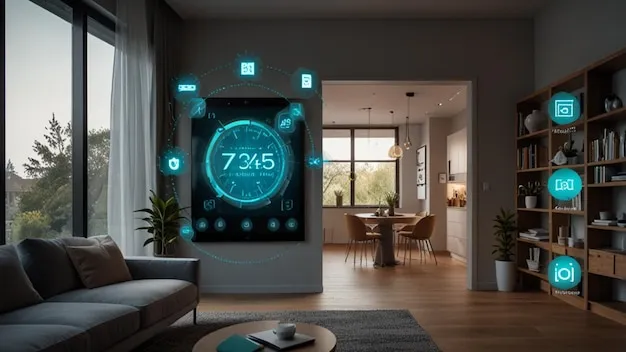
Many smart home systems offer real-time monitoring of energy consumption. Homeowners receive alerts about unusual energy spikes or when appliances are left on. This capability helps in identifying and addressing potential issues before they lead to substantial energy waste.
Integration with Renewable Energy Sources
For those using solar panels or other renewable energy sources, smart home systems can integrate seamlessly with these technologies. They can manage energy storage and usage to maximize the benefits of renewable energy, reducing reliance on traditional power sources.
Implementing Smart Home Automation: Practical Tips
- Assess Your Energy Needs
Before investing in smart home technology, evaluate your energy consumption patterns and identify areas where automation can have the most impact. This assessment will help you choose the right devices and systems for your home.
- Choose Reliable Devices
Opt for high-quality and reputable brands when selecting smart home devices. Ensure that the devices are compatible with your existing systems and offer reliable performance and security.
- Prioritize Ease of Use
Select systems that offer user-friendly interfaces and integration with popular smart home ecosystems such as Amazon Alexa, Google Assistant, or Apple HomeKit. This ease of use will enhance the overall effectiveness of your automation efforts.
- Monitor and Optimize Regularly
Regularly review your energy usage data and adjust your smart home settings as needed. Utilize insights from your home energy management system to continually optimize energy savings and performance.
- Consider Professional Installation
For complex setups or extensive automation systems, professional installation may be beneficial. Experts can ensure that your smart home devices are configured correctly and integrated seamlessly with your existing systems.
Conclusion about having the opportunity to reduce the energy consumption at home
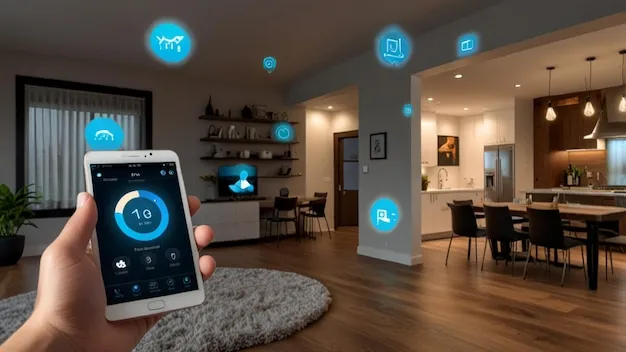
Smart home automation represents a significant advancement in the pursuit of energy efficiency. By implementing smart devices and systems, homeowners can enjoy enhanced control, increased energy efficiency, and real-time monitoring. These benefits not only lead to substantial energy savings but also contribute to a more sustainable and environmentally friendly lifestyle.
mostly asked by consumers about saving energy with home smart automation
1. How does smart home automation save energy?
Smart home automation saves energy by optimizing the use of household systems such as heating, cooling, and lighting. Smart thermostats adjust temperature settings based on occupancy and weather, while smart lighting systems turn lights off in unoccupied rooms and adjust brightness according to natural light levels. Smart plugs allow for remote monitoring and control of appliances, reducing energy waste.
2. What are the most effective smart devices for energy savings?
The most effective smart devices for energy savings include smart thermostats, smart lighting systems, smart plugs, and home energy management systems (HEMS). These devices work together to monitor and manage energy consumption, ensuring efficient use of resources and lowering utility bills.
3. Can smart home automation reduce my electricity bill?
Yes, smart home automation can significantly reduce your electricity bill. By automating the control of lighting, heating, and cooling systems, and ensuring that appliances are used only when necessary, you can lower overall energy consumption and thus reduce your monthly energy costs.
4. How difficult is it to install smart home automation systems?
The difficulty of installing smart home automation systems varies depending on the complexity of the setup. however we are ready to give all services that you demand.
5. Are smart home devices compatible with all home systems?
Most smart home devices are designed to be compatible with popular home automation ecosystems, such as Amazon Alexa, Google Assistant, and Apple HomeKit. However, compatibility can vary based on the specific devices and systems in your home. It’s important to check the compatibility of smart devices with your existing home infrastructure before purchasing.